Diabetic Eye Care at GEO Specialist EyeCare Goregaon Mumbai

Protect Your Vision from Diabetes with Early Detection and Advanced Eye Care

Diabetes can silently damage your eyes long before you notice changes in your vision. At GEO specialist EyeCare , we provide comprehensive diabetic eye screening, diagnosis, monitoring, laser treatment, intravitreal injections, and advanced retinal surgery to help preserve vision and prevent blindness.

Our retina specialists use modern diagnostic technology to detect diabetic eye disease at its earliest stage, allowing timely treatment before permanent vision loss occurs.
What is Diabetic Eye Disease?

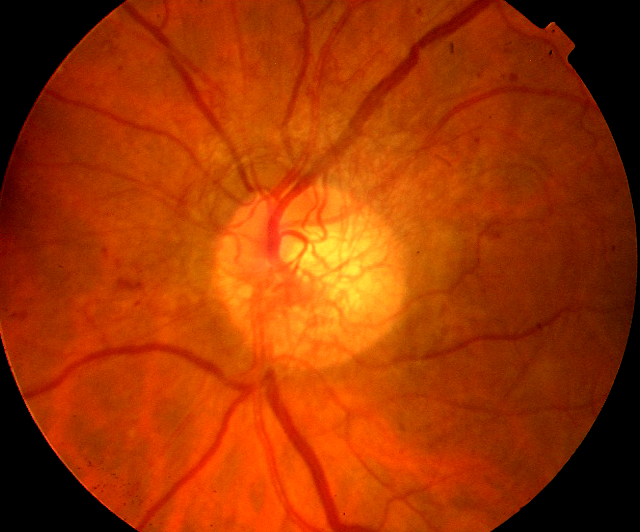
Diabetic eye disease refers to a group of eye conditions caused by diabetes affecting the retina, the light-sensitive tissue at the back of the eye.

The most common diabetic eye conditions include:

  • Diabetic Retinopathy
  • Diabetic Macular Edema (DME)
  • Cataract associated with diabetes
  • Glaucoma risk in diabetic patients

Among these, Diabetic Retinopathy is one of the leading causes of preventable blindness in adults.

What is Diabetic Retinopathy?

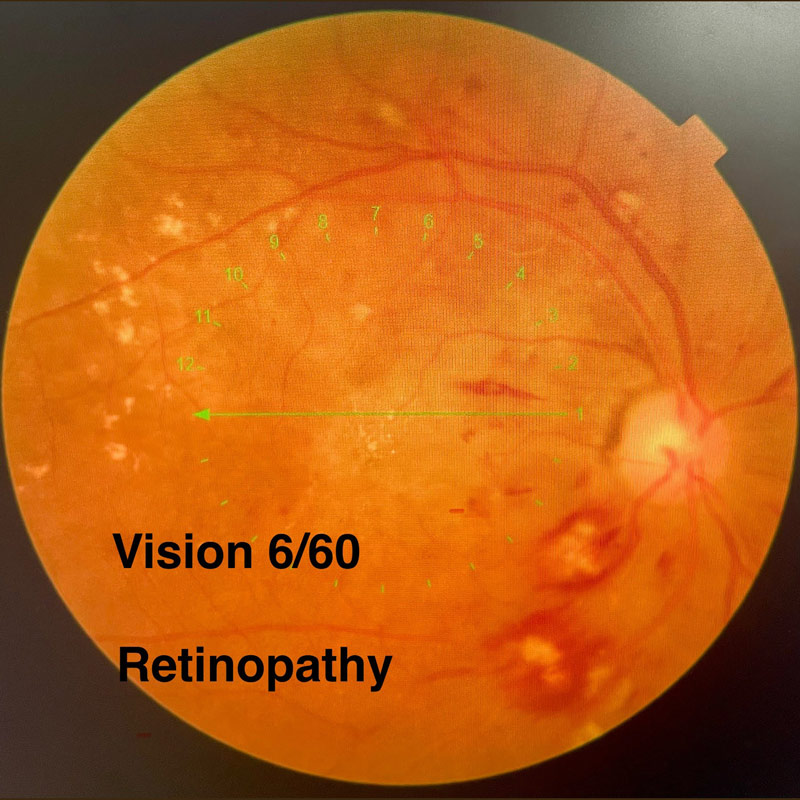
Diabetic retinopathy develops when high blood sugar damages the tiny blood vessels inside the retina.

These damaged vessels may:

  • Leak blood
  • Leak fluid
  • Become blocked
  • Grow abnormal new blood vessels
  • Cause retinal swelling
  • Lead to retinal detachment

Without treatment, diabetic retinopathy can result in severe vision loss or permanent blindness.

Who is at Risk?

Anyone with diabetes can develop diabetic retinopathy.

Your risk increases if you have:

  • Type 1 Diabetes
  • Type 2 Diabetes
  • Diabetes for more than 5 years
  • Poor blood sugar control
  • High blood pressure
  • High cholesterol
  • Kidney disease
  • Pregnancy with diabetes
  • Smoking

Even patients with good vision may already have retinal damage.

Early Symptoms

One of the biggest challenges is that diabetic retinopathy often causes no symptoms in the early stages.

As the disease progresses, symptoms may include:

  • Blurred vision
  • Floating spots (floaters)
  • Distorted vision
  • Difficulty reading
  • Poor night vision
  • Dark patches in vision
  • Sudden vision loss

If you experience sudden vision changes, immediate retinal evaluation is recommended.

Why Annual Diabetic Eye Screening is Essential

Hover Box Element

Click edit button to change this text. Lorem ipsum dolor sit amet, consectetur adipiscing elit. Ut elit tellus, luctus nec ullamcorper mattis, pulvinar dapibus leo.

Many patients lose vision because diabetic eye disease is detected too late.

Regular retinal examinations help identify:

  • Microaneurysms
  • Retinal bleeding
  • Macular swelling
  • Retinal ischemia
  • New abnormal blood vessels
  • Early retinal damage before symptoms appear

Early treatment significantly improves the chances of preserving vision.

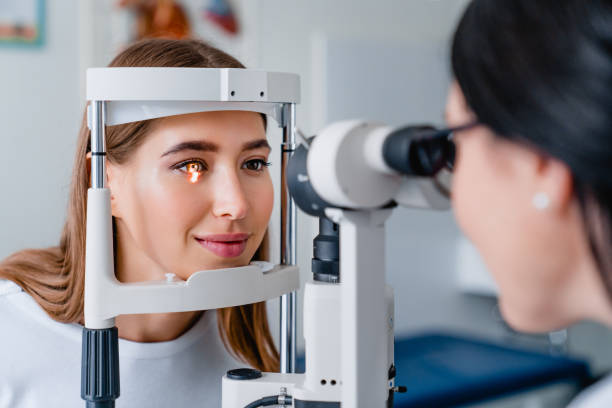
Diabetic Eye Examination at GEO Specialist EyeCare Goregaon

Special eye drops widen the pupil, allowing detailed examination of the retina.

OCT creates high-resolution cross-sectional images of the retina to detect:

  • Macular edema
  • Retinal swelling
  • Fluid accumulation
  • Structural retinal damage

Digital retinal photographs allow documentation and monitoring over time.

A special dye helps identify leaking blood vessels and areas of poor retinal circulation.

The Retina Damage Ladder

Mild Non-Proliferative Diabetic Retinopathy (NPDR)

Small retinal blood vessels begin to weaken.

Treatment usually focuses on:

  • Blood sugar control
  • Regular monitoring

Moderate NPDR

Blood vessel damage becomes more widespread.

Closer retinal follow-up is required.


Severe NPDR

Large areas of the retina receive inadequate blood supply.

Risk of progression increases significantly.

Treatment planning becomes important.


Proliferative Diabetic Retinopathy (PDR)

New abnormal blood vessels grow inside the eye.

These fragile vessels can cause:

  • Vitreous hemorrhage
  • Scar tissue formation
  • Retinal detachment
  • Severe vision loss

This stage requires urgent treatment.

What is Diabetic Macular Edema (DME)?

The macula is responsible for detailed central vision.

When diabetes causes fluid leakage into the macula, vision becomes blurred.

Symptoms include:

  • Difficulty reading
  • Distorted vision
  • Reduced central vision
  • Difficulty recognizing faces

DME is one of the most common causes of vision loss in diabetic patients.

Treatment for Diabetic Eye Disease

Treatment depends on the stage of disease and retinal findings.

Anti-VEGF Injections

Intravitreal injections reduce abnormal blood vessel growth and retinal swelling.

These medicines help:

  • Improve vision
  • Reduce fluid accumulation
  • Prevent further retinal damage

Retinal Laser Treatment

Laser photocoagulation helps:

  • Seal leaking blood vessels
  • Reduce retinal swelling
  • Prevent abnormal vessel growth
  • Reduce the risk of severe vision loss

Steroid Injections

Selected patients with diabetic macular edema may benefit from steroid therapy.


Vitrectomy Surgery

Advanced diabetic eye disease may require retinal surgery.

Vitrectomy is performed for:

  • Non-clearing vitreous hemorrhage
  • Tractional retinal detachment
  • Severe proliferative diabetic retinopathy
  • Scar tissue removal

Hover Box Element

Hover Box Element

Click edit button to change this text. Lorem ipsum dolor sit amet, consectetur adipiscing elit. Ut elit tellus, luctus nec ullamcorper mattis, pulvinar dapibus leo.

Can Diabetic Eye Disease Be Prevented?

Although diabetes cannot always be prevented, vision loss can often be avoided.

Patients should:

  • Maintain good blood sugar control
  • Monitor HbA1c regularly
  • Control blood pressure
  • Manage cholesterol
  • Exercise regularly
  • Eat a healthy diet
  • Stop smoking
  • Attend annual diabetic retinal screening
  • Follow retina specialist recommendations

How to prevent Diabetic Eye Disease

Can diabetes cause blindness?

Yes. Diabetic retinopathy is one of the leading causes of preventable blindness. Early diagnosis and treatment significantly reduce this risk.

Can diabetic retinopathy be cured?

Retinal damage cannot always be reversed, but modern treatments can slow progression, preserve vision, and often improve eyesight.

Is diabetic eye screening painful?

No. Most retinal examinations are painless. Dilating eye drops may temporarily blur vision for a few hours.

How often should diabetics have an eye examination?

Most patients should undergo a comprehensive dilated eye examination once every year. Higher-risk patients may require more frequent visits.

Can diabetic retinopathy occur even if my vision is normal?

Yes. Many patients have significant retinal damage without noticeable symptoms.

Does controlling blood sugar help?

Yes. Good control of blood sugar, blood pressure, and cholesterol greatly reduces the risk of diabetic eye complications.

Why Choose GEO Specialist EyeCare  for Diabetic Eye Care?

Our diabetic retina services include:

  • Comprehensive diabetic eye screening
  • Advanced retinal imaging
  • Optical Coherence Tomography (OCT)
  • Fundus photography
  • Fluorescein angiography
  • Laser treatment for diabetic retinopathy
  • Anti-VEGF injections
  • Steroid injections
  • Vitrectomy surgery
  • Long-term diabetic retinal monitoring
  • Personalized treatment plans

Our goal is early detection, timely treatment, and lifelong preservation of vision.

Book a Diabetic Eye Examination

Protect your vision with comprehensive diabetic eye care at GEO Specialist EyeCare . Expert screening, OCT, retinal laser, anti-VEGF injections, and advanced treatment for diabetic retinopathy and diabetic macular edema.