👁️ Learn With Us

Eye Health Education & Frequently Asked Questions
At GEO Specialist EyeCare, Goregaon, patient education is at the heart of everything we do. Explore our latest eye health tips, educational videos, and answers to common questions—all designed to help you make informed decisions about your vision.


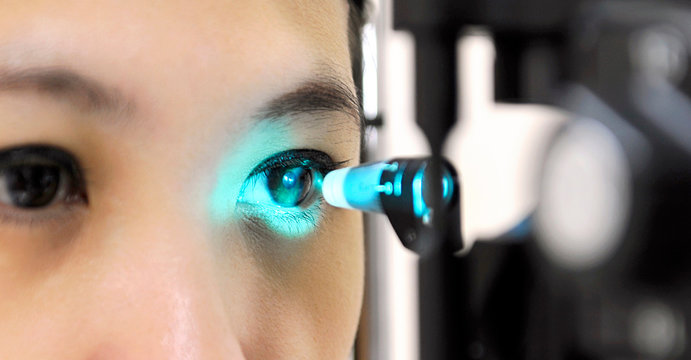

Understanding Modern Cataract Surgery: Laser, Phaco, Stitchless & Blade-Free Techniques Explained
If you’ve been researching cataract surgery online, you’ve probably come across terms such as Phaco Surgery, Laser Cataract Surgery, Blade-Free Surgery, Stitchless Surgery, Microincision Cataract Surgery, and No Injection Cataract Surgery.
These terms can be confusing, especially when different websites use different descriptions.
This guide explains what each of these techniques means and helps you understand how your ophthalmologist chooses the most appropriate approach for your individual eye.
What Is Modern Cataract Surgery?
Modern cataract surgery involves removing the eye’s cloudy natural lens and replacing it with a clear artificial intraocular lens (IOL).
Over the years, cataract surgery has become safer, more precise, and less invasive, allowing most patients to return home on the same day.
The surgical technique recommended depends on factors such as:
- The density of the cataract
- The health of your cornea
- The condition of your retina
- Your overall eye health
- Previous eye surgeries
- Your visual goals
Laser Cataract Surgery vs Phaco Cataract Surgery
One of the most common questions patients ask is whether laser cataract surgery is better than phacoemulsification.
What Is Phaco Cataract Surgery?
Phacoemulsification, often called Phaco Surgery, is the most commonly performed modern cataract surgery technique worldwide.
A specialised instrument uses ultrasound energy to break the cloudy lens into tiny fragments, which are gently removed before a clear artificial lens is implanted.
Benefits of phaco surgery include:
- Small incision
- Faster healing
- Minimal discomfort
- Quick visual recovery
- Usually performed as a day-care procedure
What Is Laser Cataract Surgery?
Laser-assisted cataract surgery uses a femtosecond laser to perform certain steps of the procedure, such as creating precise incisions or opening the lens capsule, before the cataract is removed.
The remainder of the procedure is typically completed using techniques similar to conventional cataract surgery.
Not every patient requires laser-assisted surgery, and suitability depends on individual eye characteristics and your ophthalmologist’s recommendation.
Which Is Better?
There is no single answer.
Both techniques can provide excellent outcomes when performed for the right patient.
The choice depends on:
- Your eye health
- Cataract density
- Corneal condition
- Surgeon’s clinical assessment
- Individual treatment goals
The most appropriate procedure is the one recommended after a comprehensive eye examination.
Phaco Surgery vs Traditional Cataract Surgery
Before phacoemulsification became widely available, cataracts were removed using larger-incision techniques.
Traditional Cataract Surgery
Older methods generally required:
- Larger surgical incisions
- More healing time
- Multiple stitches in some cases
- Longer visual recovery
Although still appropriate in selected situations, they are used much less frequently today.
Modern Phaco Surgery
Phaco surgery usually involves:
- Smaller incisions
- Faster recovery
- Minimal tissue disturbance
- Reduced post-operative discomfort
- Earlier return to routine activities
For many patients, this has become the preferred modern technique.
What Does “Blade-Free Cataract Surgery” Mean?
Many patients search online for “blade-free cataract surgery.”
This term generally refers to procedures in which certain surgical steps are performed using advanced laser technology instead of a traditional surgical blade.
However, the exact meaning can vary depending on the technology used and the surgical technique recommended.
Your ophthalmologist will explain which approach is most suitable for your eyes.
What Is “No Injection Cataract Surgery”?
Many people worry about injections around the eye.
In suitable patients, cataract surgery may be performed using anaesthetic eye drops rather than injections around the eye.
This is sometimes referred to as topical anaesthesia or “no injection” cataract surgery.
Not every patient is a candidate for this approach. The choice depends on:
- Your comfort
- Ability to lie still during surgery
- Eye condition
- Surgical complexity
- Your ophthalmologist’s clinical judgement
Your safety and comfort remain the highest priorities.
What Is Stitchless Cataract Surgery?
Modern cataract surgery is commonly performed through a very small self-sealing incision.
Because the incision is so small, stitches are often not required.
Benefits of stitchless surgery may include:
- Faster healing
- Less post-operative discomfort
- Reduced astigmatism
- Earlier visual recovery
In certain complex situations, however, stitches may still be necessary to ensure the safest outcome.
What Is Microincision Cataract Surgery?
Microincision cataract surgery refers to cataract procedures performed through very small surgical openings.
Smaller incisions may help:
- Preserve corneal structure
- Reduce surgically induced astigmatism
- Promote faster healing
- Improve patient comfort
The exact incision size depends on the surgical technique and the individual patient’s eye.
Which Technique Is Right for Me?
The best cataract surgery is not determined by marketing terms—it is determined by careful planning.
Your ophthalmologist considers several factors before recommending a surgical approach, including:
- Cataract density
- Corneal health
- Retinal health
- Presence of glaucoma
- Diabetes
- Previous eye surgeries
- High myopia
- Astigmatism
- Lifestyle and visual expectations
Every eye is different, and treatment should always be individualised.
Frequently Asked Questions
Is laser cataract surgery always better?
Not necessarily. Both laser-assisted cataract surgery and modern phaco surgery can achieve excellent results. The most suitable technique depends on your eye health and your ophthalmologist’s assessment.
Is phaco surgery painful?
Modern cataract surgery is generally comfortable. Most procedures are performed using anaesthetic eye drops or local anaesthesia, and patients typically experience little or no pain during surgery.
Is cataract surgery always stitchless?
Many modern cataract surgeries are performed without stitches because the incision is very small and self-sealing. In certain situations, your surgeon may recommend stitches if they are needed for safety.
Can cataract surgery be performed without injections?
In suitable patients, surgery may be performed using anaesthetic eye drops instead of injections. However, this decision depends on your individual eye condition and the surgeon’s clinical judgement.
How long does recovery take?
Many patients notice improvement in vision within the first few days, although complete healing continues over several weeks. Recovery varies depending on the individual patient and the type of surgery performed.
Modern Cataract Surgery at GEO Specialist EyeCare
At GEO Specialist EyeCare, every cataract surgery is carefully planned based on the unique needs of the patient—not simply on the latest technology or terminology.
Our comprehensive pre-operative assessment includes detailed eye measurements, retinal evaluation whenever indicated, and personalised intraocular lens planning. By selecting the most appropriate surgical approach for each individual, we aim to provide safe, effective treatment and the best possible visual outcomes.
If you have questions about cataract surgery techniques, our team will be happy to explain your options and help you make an informed decision with confidence.
Medical Disclaimer
The educational information shared on this website and through our social media channels is intended for general awareness and patient education only. It should not replace a consultation with a qualified ophthalmologist. If you are experiencing changes in your vision or have concerns about your eye health, please schedule an appointment with our specialists.